








For Parents: My Child Wants To Study Medicine in Italy, What Should I Know?
2027 admissions note: Exam-format, syllabus, fee, and test-centre information below is retained from previous cycles as a preparation reference. Confirm the 2027 requirements and dates in the new official admissions notices before making arrangements.
Welcome! My name is Ari Horesh, and since 2019, I've been immersed in the world of medical studies at the University of Pavia, Italy. Throughout this journey, I've interacted with countless parents, all of whom share a common concern: ensuring their child's success and well-being as they embark on the challenging path of studying medicine abroad. Drawing from these interactions and my personal experiences, I've compiled this guide to offer a transparent, honest look at what it truly means to pursue a medical degree in Italy.
Italy's allure for medical students isn't just about its prestigious universities or the charm of living in a country steeped in history and culture. It's also about navigating a unique educational landscape, understanding the financial commitments, and adjusting to a new way of life. This article aims to demystify the process, addressing the key questions and concerns I've encountered from parents just like you.
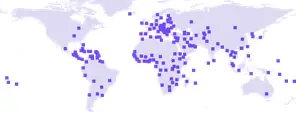
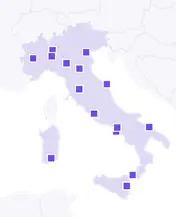
Map by city
Cities with English-Taught Programs
The cities of every English-taught school in this guide, north to south. Tap a city for its schools and their 2026 places.
Approximate places · a line points to the real cityApproximate places
 University of TurinPublic · 105 places in 2026: 73 EU, 32 non-EU
Non-EU: the university’s own ranking. EU: the first national round of Oct 26. Places: the Ministry.
 University of Milan (Statale)Public · 75 places in 2026: 60 EU, 15 non-EU
 University of Milan (Bicocca)Public · 60 places in 2026: 40 EU, 20 non-EU
 San Raffaele UniversityPrivate · Check its current admissions notice before applying.
 HUMANITAS UniversityPrivate · Check its current admissions notice before applying.
- MEDTEC SchoolPrivate · Check its current admissions notice before applying.
Non-EU: the university’s own ranking. EU: the first national round of Oct 26. Places: the Ministry.
 University of PaviaPublic · 143 places in 2026: 103 EU, 40 non-EU
Non-EU: the university’s own ranking. EU: the first national round of Oct 26. Places: the Ministry.
 University of PadovaPublic · 100 places in 2026: 75 EU, 25 non-EU
Non-EU: the university’s own ranking. EU: the first national round of Oct 26. Places: the Ministry.
 University of ParmaPublic · 130 places in 2026: 80 EU, 50 non-EU
Non-EU: the university’s own ranking. EU: the first national round of Oct 26. Places: the Ministry.
 University of BolognaPublic · 160 places in 2026: 140 EU, 20 non-EU
Non-EU: the university’s own ranking. EU: the first national round of Oct 26. Places: the Ministry.
 University of Siena (Dentistry)Public · 35 places in 2026: 30 EU, 5 non-EU
Non-EU: the university’s own ranking. EU: the first national round of Oct 26. Places: the Ministry.
 University of AnconaPublic · 80 places in 2026: 30 EU, 50 non-EU
Non-EU: the university’s own ranking. EU: the first national round of Oct 26. Places: the Ministry.
 University of Tor VergataPublic · 85 places in 2026: 65 EU, 20 non-EU
 University of La SapienzaPublic · 65 places in 2026: 52 EU, 13 non-EU
 UniCamillus Medical SchoolPrivate · Check its current admissions notice before applying.
 Cattolica UniversityPrivate · Check its current admissions notice before applying.
 University Campus Bio-MedicoPrivate · Check its current admissions notice before applying.
Non-EU: the university’s own ranking. EU: the first national round of Oct 26. Places: the Ministry.
 University of Napoli VanvitelliPublic · 120 places in 2026: 70 EU, 50 non-EU
Non-EU: the university’s own ranking. EU: the first national round of Oct 26. Places: the Ministry.
 University of Napoli Federico IIPublic · 80 places in 2026: 35 EU, 45 non-EU
Non-EU: the university’s own ranking. EU: the first national round of Oct 26. Places: the Ministry.
 University of BariPublic · 100 places in 2026: 89 EU, 11 non-EU
Non-EU: the university’s own ranking. EU: the first national round of Oct 26. Places: the Ministry.
 University of CagliariPublic · 98 places in 2026: 80 EU, 18 non-EU
Non-EU: the university’s own ranking. EU: the first national round of Oct 26. Places: the Ministry.
 University of MessinaPublic · 116 places in 2026: 55 EU, 61 non-EU
Non-EU: the university’s own ranking. EU: the first national round of Oct 26. Places: the Ministry.
 University of CataniaPublic · 80 places in 2026: 40 EU, 40 non-EU
Non-EU: the university’s own ranking. EU: the first national round of Oct 26. Places: the Ministry.
All medical schools in Italy in English
From the intricacies of the Italian Medical Education System and the crucial dates in the application process to tackling the IMAT exam and exploring life in Italy, this guide covers the essentials. We'll delve into practical matters such as accommodation, healthcare, and part-time jobs, as well as the cultural and social experiences your child can expect. It's a comprehensive overview, designed to prepare you and your child for what lies ahead, ensuring you both feel informed, supported, and ready for this adventure.

I hope you will find this article beneficial, and if you have any question don't hesitate to reach out via email (ping me through the site chat and I will reply).
The Italian Education System
Understanding the Italian medical education system is crucial to preparing for the future. Here's a closer look at what makes studying medicine in Italy distinct, especially for those accustomed to the education systems in other countries.
First off, the examination style in Italy might come as a surprise. Unlike many countries where written tests are the norm, Italian medical schools favor oral exams. These are not your typical 10-minute Q&A sessions; they are comprehensive evaluations that can last between 40 to 60 minutes, involving multiple professors grilling students on the material. It's an intense process that tests knowledge and the ability to think on one's feet and communicate effectively under pressure.
The Italian approach to medical education is heavily theoretical. This means there's a strong emphasis on memorization, understanding the history, and methodology behind medical practices rather than hands-on practical experiences during the early years of medical school. Most of the practical skills are developed after graduation, which is quite different from countries that integrate practical learning early in their curriculum.
Grading in Italian medical schools is out of 30, with a special accolade of "30 e lode" (30 with honors) for outstanding performance. Achieving an average of 27/30 or higher upon graduation earns students the distinction of graduating "with honors." This rigorous grading system underscores the high academic standards expected from students.
In the final year, students must undertake a thesis project, typically in collaboration with a professor who is already engaged in a specific area of research. This thesis, however, is not the make-or-break factor for landing a coveted residency spot. Instead, the score on the final licensing exam, taken towards the end of the sixth year or shortly after, plays a critical role in determining residency placements.
Italian medical schools offer students several attempts to pass their exams throughout the year. If a student fails, they can retake the exam at a later date. Importantly, failing an exam does not lead to expulsion. Students who don't pass are labeled "ripetente" (repeat students) and are given extra time to clear their backlog. If unsuccessful, they may have to repeat the year, albeit not the exams they've already passed.
The curriculum is structured around earning 360 credits over the course, with about 60 credits required each year. Exams vary in credit weight, and some institutions, like the University of Pavia, allow students to take exams worth up to 24 credits from higher years in advance. This flexibility can help students manage their workload more effectively, especially in the later stages of their studies.
Despite the focus on theoretical learning, the quality of medical education in Italy's public universities, especially for programs taught in English, is comparable to central European standards. However, the onus is on students to develop strong self-study habits and discipline, as much of the learning is done independently, with textbooks, outside the classroom.
Entry Requirements and Application Process
One of the first hurdles in the application process is obtaining the "DoV" (Declaration of Value). This document verifies that your child's education level in their home country is sufficient for pursuing higher education in Italy. The process for acquiring the DoV varies from country to country, but generally, the best starting point is to contact the local Italian embassy. They will guide you on the specific documents required, which often involve translation, apostilling (a form of authentication), and then verification by the Italian embassy. Given the complexity and potential time it takes to complete these steps, starting this process as early as possible is advisable.
My plan and official dates
My Study Plan from April to the Exam
I made this month-by-month plan in 2023. The steps are from my original picture.
IMAT 2026 Timeline for Reference
The Ministry’s official dates for the 2026 cycle.
IMAT 2027 Timeline: Not Announced Yet
The dates show here once the Ministry publishes them.
- AprilLearn Math and Physics, review the basics.Study Planner
- MayPre-enroll in some universities (such as Turin), complete the first Biology revision.Pre Enrollment
- JuneBy June, you should complete Chemistry and Biology
- JulyStart using IMAT Simulators at least once a week.IMAT Simulators
- AugustFind a coach to help you recognize your weak spots, review mistakesCoaching
- IMATYou got this! Try to relax a week before the exam.
- Sep 9Registration closed
- Sep 29Exam day
- Oct 8Anonymous scores
- Oct 19Your paper and score
- Oct 26First EU allocation
- Nov 3Second EU round
Sources: my 2023 plan (the picture this replaces); Ministry decree 1005 of August 6, 2026 and its calendar annex; the Ministry’s IMAT 2026 calendar. Last checked Oct 28, 2026.
Timing is critical, especially considering that registration for the IMAT (International Medical Admissions Test) opens in July. The IMAT fee is paid through the official website, and the test usually takes place in September, though speculation about it moving to October has existed. However, for planning purposes, expect the exam in September.
Another significant date involves scholarship applications, which open two months before the IMAT. This means there's a need to have certain documents translated and ready, even before knowing the outcome of the IMAT exam. It's a bit of a leap of faith but necessary to ensure you don't miss out on potential financial aid opportunities.
As for the IMAT exam preparation, the timeline varies depending on the student's background. Fresh high school graduates typically need about 3 months of preparation, while older students or those who may be a bit rusty on test-taking might require 6-8 months to get ready. This preparation period is crucial for a successful IMAT score, which is a significant step in the journey to studying medicine in Italy.
Being Honest: Known Problems in Italy
Here's an honest look at some of the known hurdles that international students may face.
Adapting to the Italian System: Italy, with its rich history and vibrant culture, also comes with a reputation for a certain level of disorganization in various aspects of life. This can range from bureaucratic processes to everyday logistics like finding accommodation. The initial adjustment period can be particularly taxing as you navigate through the complexities of a new system. However, forming the right connections and friendships can significantly ease this transition. Over time, many students find their rhythm and learn to navigate the Italian way of life more smoothly.
Accommodation Challenges: Finding a place to live in Italy can be a daunting task, especially in the more popular university cities. The demand for student housing often surpasses supply, leading to a scenario where new arrivals might have to rely on temporary solutions like Airbnb. Starting the search for accommodation early and exploring various options, including university dorms, private rentals, and shared apartments, is crucial.
Educational Approach: The Italian medical education system emphasizes theoretical knowledge over practical skills, at least in the initial years. This stark contrast to the hands-on approach adopted by countries like the US, UK, France, and Germany, can be a significant adjustment for international students. The emphasis on self-study and memorization requires a disciplined and independent learning style. A useful strategy is to proactively seek practical experiences, such as volunteering at hospitals, to complement your studies. Learning Italian is not just beneficial but essential for this purpose, as it opens up more opportunities to engage with the healthcare environment and gain hands-on experience.
Social Integration: Studying medicine is a rigorous journey anywhere in the world, and it can sometimes lead to feelings of isolation. Active participation in university life, such as spending time in the library or joining student groups, can help mitigate this. These settings offer valuable opportunities to meet people, form study groups, and build a support network.
Scholarship Availability: The competition for scholarships can vary significantly from one university to another. In places like Turin, for instance, securing financial aid can be particularly challenging. It's important to research and apply for scholarships early, keeping in mind that criteria and availability may differ widely.
Geographical Considerations: The quality of education and life can vary across Italy, with notable differences between the north and the south. While this is a generalization and there are exceptions, the consensus among many is that universities in Rome and northern Italy tend to offer better opportunities and facilities compared to their southern counterparts. This is a sensitive topic, but it's mentioned here for the sake of transparency and to aid in making an informed decision.
Understanding these known problems allows you to prepare your child more effectively and set realistic expectations for your journey ahead.
Studying in Italy: How Much Will It Cost?
Below is an overview of the costs associated with studying medicine in Italy, covering everything from accommodation to daily living expenses.
Initial Expenses
- Rent Deposit: Typically, landlords require a deposit equivalent to three months' rent upfront.
- Furnishings and Equipment: Initial setup costs can include purchasing a new mattress, laptop, iPad, books, and the cost of translating documents. These are one-time expenses that contribute to the higher cost of the first year.
- Agency Fees: Finding accommodation through an agency is common due to the difficulty of securing housing directly, with fees usually amounting to one month's rent.
Tuition Fees
Tuition fees in Italian universities are income-based and can be calculated using the ISEE index on the university's website. They range from as low as EUR156 to up to EUR4,600 per year in some universities like Pavia, with the average around EUR2,000 annually. These fees are typically divided into three or four installments, payable every 1.5 months from the start of the academic year.
Monthly Living Expenses
- Food: Daily food expenses can range between EUR5 to EUR10, heavily depending on whether your child cooks at home and what ingredients they use. Staples like lentils, rice, and pasta are affordable, while meat has become more expensive in recent years.
- Rent: In smaller cities, sharing an apartment with two roommates can cost about EUR300 per person, while living with just one roommate may increase rent to around EUR500. Expect to add an additional EUR150 to EUR200 for rent in larger cities.
- Utilities: Gas and electricity together can cost about EUR150 per month. Sharing a living space with more people can help reduce the per-person cost of these utilities.
Accommodation Tips
- Shared Housing: A popular strategy among students is to rent large houses and live with five or six roommates, each having their own room. This not only helps in managing living costs but also provides a great opportunity for socializing and building a support network.
Here is a simplified breakdown of the costs in table format for a clearer overview:
| Expense Category | Cost | Notes |
|---|---|---|
| Rent Deposit | 3 months' rent | One-time upfront cost |
| Initial Setup | Variable | Includes mattress, laptop, books, etc. |
| Agency Fees | 1 month's rent | Common due to difficulty in finding housing |
| Tuition Fees | EUR156 to EUR4,600/year | Based on ISEE; average ~EUR2,000/year |
| Food | EUR5 to EUR10/day | Depends on cooking habits and diet |
| Rent | EUR300 to EUR700/month | Varies by city size and number of roommates |
| Utilities | ~EUR150/month | Gas and electricity |
My numbers
First-Year Budget
First year: about €9,200
By my estimate, a first year costs about €7,400 to €20,300.
- One-time: 3 months’ deposit + 1 month agency€1,200
- 12 months of rent, €300 a month€3,600
- Food: €5 a day, 30 days a month€1,800
- Utilities: about €150 a month, split 3 ways€600
- Tuition€2,000
Not counted: mattress, laptop, books, translations (the table’s “Variable”)
My estimates from the table above. Check today’s prices for your city.
IMAT Preparation Costs (Admission Exam)
Preparing for the International Medical Admissions Test (IMAT) is an essential step for students aspiring to study medicine in Italy. However, this preparation can also be a significant financial consideration for families. Here's an overview of what to expect in terms of expenses and some strategies to navigate this part of the process efficiently.
Cost of Preparation Courses
The cost of IMAT preparation courses can vary widely depending on the format and location. For in-person classes, particularly in countries closer to Italy, the price can range from EUR2,000 to EUR3,000, and in some cases, even reach EUR5,000 to EUR6,000. These costs reflect the comprehensive nature of the courses, which are designed to cover all aspects of the exam thoroughly.
Free Study Materials
Recognizing the financial burden these courses can represent, there are resources available to help mitigate these costs. On my website, for example, students can access a wealth of free study materials specifically tailored for the IMAT exam. These resources provide a valuable starting point for students to begin their preparation journey without any financial commitment.
Many students pass the IMAT exam without a preparation course. It is definetely possible to self study for the IMAT exam, however, it is always recommended for younger and inexperienced students to join a course as they are used to having a structured study environment, similar to high school, where they can have someone who guides them on what to do and study next, to avoid over-studying and burn-out before the exam date.
Last year’s exam · IMAT 2026
48 of the 60 IMAT 2026 questions were already in my course.
I put the real exam questions next to mine, side by side, so you can see for yourself.
The real IMAT 2026 paper, 60 questions in exam order: 48 were already in my course, 8 of them almost identical to questions in my question bank, 38 with a similar question and 2 taught in a lesson. 12 had no close match.
Self-Study and Determining Seriousness
Preparation for the IMAT involves a considerable amount of self-study, regardless of whether students enroll in a course. As a personal tip, to gauge your child's dedication to pursuing a medical career, you might consider providing them with a free study planner, such as the one available on my website. This approach allows them to demonstrate their ability to commit to and manage the preparation process independently. If they show consistency and seriousness in their self-study, it could be a sign that they are ready for more structured preparation, possibly through a course.
Choosing the Right Preparation Path
The decision on whether to enroll in a preparation course, and which type to choose, depends heavily on the individual student's learning style and discipline. Some students thrive in a structured classroom environment, while others may find success with online courses that offer flexibility to fit their study habits. Ultimately, the choice should be tailored to your child's preferences, learning style, and, importantly, their ability to study independently.
Here is when I recommend my community members join a course
- For Young Students: Students who are currently attending or have recently graduated from high school often benefit significantly from structured learning environments. If the student is accustomed to clear guidelines and structured study schedules, a preparation course can provide a familiar framework that enhances their learning experience.
- Team-Oriented Learners: Some students thrive in collaborative settings and find motivation in working alongside peers. If the student enjoys the dynamism of group study and the motivational push that comes from a bit of competition, then a preparation course can offer not just educational but also psychological benefits.
- Gaps in Knowledge: The IMAT covers a wide range of subjects, some of which may not have been part of the student's high school curriculum. If there are significant gaps in the student's knowledge, especially in key subjects required for the IMAT, a preparation course can provide targeted learning to cover these areas comprehensively.
- Need for External Motivation: Self-study requires a high degree of self-motivation and discipline, which might not come naturally to all students. For those who benefit from having an external source of motivation and accountability, the structured setting and the guidance of a mentor or instructor in a preparation course can be invaluable. This external support helps keep the student on track, provides immediate feedback, and encourages a consistent study habit.
How do you handle failure on the IMAT exam: Plan B?
The competition for non-EU students is getting very challenging, and many students choose to study a different subect (such as the Italian language) for a year so they can be considered Europeans and then take the IMAT competing for the less competitive European slots.
Facing failure on the IMAT exam can be a disheartening experience for any aspiring medical student. The IMAT is notoriously competitive, and not passing it on the first try is a common hurdle many encounter. Drawing from extensive experience working with students in this exact situation, it's crucial to have a constructive approach and a solid Plan B in place. Here's how to navigate this challenge and what I recommend to both the parents and the students to do:
Explore Related Fields
One viable Plan B is to consider related fields of study. Options like nursing, dentistry, veterinary medicine, or sports medicine offer rewarding career paths and might have less stringent entry requirements. Additionally, enrolling in individual courses such as anatomy, biochemistry, or microbiology can strengthen your academic foundation and better prepare you for future attempts at the IMAT or related fields.
Reflect and Retake the IMAT
Choosing to retake the IMAT should come after thorough self-reflection and a deep analysis of what went wrong in the previous attempt. Identifying and addressing your weak spots is crucial. This might involve seeking additional resources, changing your study strategy, or enrolling in a preparation course with a different focus.
(Popular Plan B) Intensive Italian Language Course
Enrolling in an intensive Italian language course in Italy presents a strategic Plan B. Not only does it offer the opportunity to immerse yourself in Italian culture and language, but it also provides a pathway to obtaining a 1-year student visa. This status can significantly improve your chances when reapplying for the IMAT, as EU candidates often enjoy certain advantages. Remember, to be considered under the EU category, you need to have been studying in Italy for at least 12 months prior to the registration (July to July) of the exam.
Plan B
EU and Non-EU Cutoffs in 2026
In 2026 the non-EU cutoff was higher at all 14 programs that published both, by 2.9 to 7.1 points.
- Bolognanon-EU 77.9, EU first round 70.877.9
- Messinanon-EU 71.1, EU first round 65.271.1
- Federico IInon-EU 74.8, EU first round 69.274.8
- Marche (Ancona)non-EU 73.0, EU first round 67.773.0
- Padova MedTechnon-EU 73.7, EU first round 68.573.7
- Pavianon-EU 75.3, EU first round 70.375.3
- Catanianon-EU 69.9, EU first round 65.569.9
- Padovanon-EU 72.9, EU first round 68.872.9
- Luigi Vanvitellinon-EU 70.7, EU first round 66.770.7
- Parmanon-EU 71.5, EU first round 67.771.5
- Barinon-EU 69.9, EU first round 66.569.9
- La Sapienzanon-EU 76.0, EU first round 72.776.0
- Bicoccanon-EU 75.2, EU first round 72.275.2
- Tor Vergatanon-EU 70.7, EU first round 67.870.7
EU: the first round of Oct 26, 2026; later rounds usually go lower.
Pursuing Medicine in Italian
Though it's not everyone's preferred route, taking the TOLC exam and studying medicine in Italian is another option. This path requires a robust commitment to learning Italian and adapting to a new educational and cultural environment. While challenging, it can be a rewarding experience for those with a knack for languages and strong social skills. However, it's important to consider the potential stress and difficulty of studying complex subjects in a non-native language.
Pros
- Early Exam Schedule: The TOLC exam, required for admission into the Italian-taught medical courses, is held twice a year, well before the IMAT. This scheduling allows students to attempt the TOLC with the security of knowing they have a backup plan before the IMAT results are out, potentially easing the pressure and boosting confidence.
- Established Programs: Italian medical courses have a longer history and are generally more established than their English-speaking counterparts in Italy. As a result, these programs often receive more resources and attention from the universities, which can translate into a richer educational experience.
Cons
Based on feedback from past students and close friends who have chosen this route, several cons are highlighted:
- Regret Over Rushing: A common sentiment among students is regret for not taking an additional year to prepare and attempt the IMAT again, rather than opting for the Italian-taught program.
- Social Integration Challenges: Finding friends and integrating into the local student community can be particularly challenging. The Italian students tend to form tight-knit groups, and the language barrier can exacerbate feelings of isolation for international students who are not fluent in Italian.
- Age Gap: Italian students typically start their university education at 18, which is younger than the average age of non-EU candidates, who are around 23. This age difference can impact the social dynamics and peer relationships within the university setting.
- Language Proficiency: The requirement for near-perfect Italian is paramount, especially given that exams are conducted orally. Professors will interact and pose questions in Italian, necessitating a high level of fluency to understand complex medical terminology and concepts.
More Questions and Answers for Parents with Aspiring Medical Students in Italy (Based on e-mails I received)
- Is it safe in Italy?
- Italy is generally safe, with the northern cities and Rome being particularly secure. While certain areas, like Napoli, may have a reputation for being less safe, choosing to live in the center of larger, northern cities can enhance safety.
- Do international students face racism in Italy?
- Though instances of racism can occur anywhere, my experience in northern Italy and interactions with a diverse social circle suggest that young Italians are quite open-minded and welcoming. Racism is not a prevalent issue in educational settings or general society from what I've observed.
- Is there a better country to study medicine in Europe than Italy?
- Considering scholarships and opportunities, Italy is highly competitive. France and Germany might offer excellent education but require overcoming language barriers and, potentially, higher costs. Italy stands out for its English-taught programs and balanced approach, especially for international students.
- How can I track my child's academic progress?
- Direct access to the student portal or university email can provide academic updates. However, focusing on your child's mental health and social well-being might be more beneficial. Students who are content and socially active tend to perform well academically, making a supportive environment crucial.
- Can high school books be used for IMAT preparation?
- Yes, high school textbooks are suitable for IMAT prep. The exam tests high school-level knowledge, with the challenge lying more in the competition than the material itself. Emphasizing strategy and time management is key.
- How can my child learn Italian?
- Most universities offer Italian language courses for international students. Starting language studies from day one in Italy is advisable, as proficiency in Italian significantly enhances both academic and everyday life experiences.
Summary
Supporting a child through medical school in Italy means understanding the admissions process, budgeting realistically, and staying engaged after they move abroad. Use this guide as a checklist to talk through expectations, safeguards, and next steps together.
If you want me to review your child's plan or answer something specific to your family, send a message through the chat on the website and leave your email so I can get back to you. I'm happy to share what I've seen work for other parents.